
Located in Central Vietnam, Phong Nha – Ke Bang National Park lies a few hours away from Hue. It was inscribed on the World Heritage List in 2003. The park features tropical forests and limestone plateau, and harbours a high level of biodiversity. It is best-known for its sumptuous caves, including the largest in the world. This part of Vietnam remains quite unknown by many travelers.
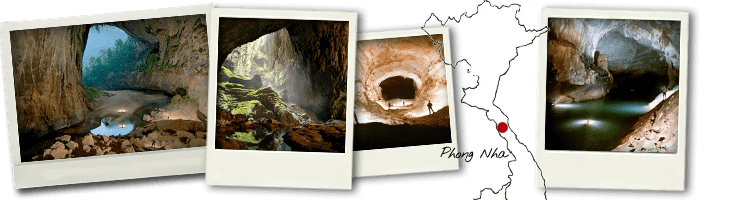
Phong Nha - Ke Bang National Park
Trekking in Vietnam
Caves
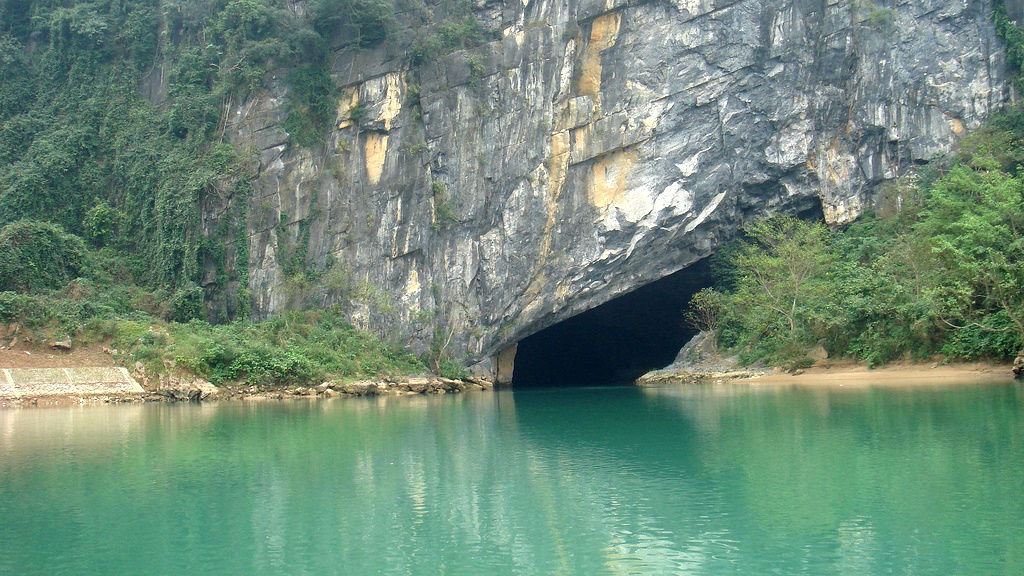
Phong Nha – Ke Bang National Park lies in Quang Binh Province, in the Center of Vietnam. It stands as a geological and biodiversity gem, which had it inscribed on the UNESCO’s World Heritage List in 2003. Its landscape offers primary forests and hundreds of caves. It was formed 400 billion years ago but remains intact nowadays.
Located up North from Hue, the park is the most ancient limestone site in Asia, and contains about 300 caves, caverns, and underground rivers stretching for dozens of kilometers. Those impressive underground networks are still currently being explored; only twenty of them have been discovered. Its stunning setting represents nature on a grand scale.
Accessible Caves
The most well-known cave is Phong Nha Cave, which is a system comprising 14 caves and underground rivers that used to be Cham Buddhist sanctuaries around the 9th and 10th centuries. Some inscriptions and altars can still be seen inside. The British Cave Research Association attributed six records to the place: the longest cave, the cave with the highest and largest entrance, the most beautiful underground lake, the most sumptuous stalactites, the longest underground river, and the most beautiful and the largest cave. Light reflects on walls, lakes and rivers, and creates a phantasmagorical atmosphere down there. They used to be called the “Fairy Caves” by the Nguyens and they are now considered as one of the most beautiful cave systems in the world. It is now often referred to as “Wind and Teeth Cave” because of the stalactites and stalagmites inside that look like teeth and because of the wind flowing from the cave. A visit costs around 80.000 VND – about 4 dollars.
Thien Duong “Paradise Cave” is one of the most beautiful cave according to certain explorers from the British Cave Research Association. It specifically features stalactites and stalagmites whose shapes and sizes are very various. Unlike in Phong Nha Cave, there is neither water nor life. The price to pay for a visit is around 120.000 VND (about 6 dollars). Accessible caves are quite easy to reach, and they don’t require a perfect physical shape which is why they are so popular among tourists.
Intact Caves
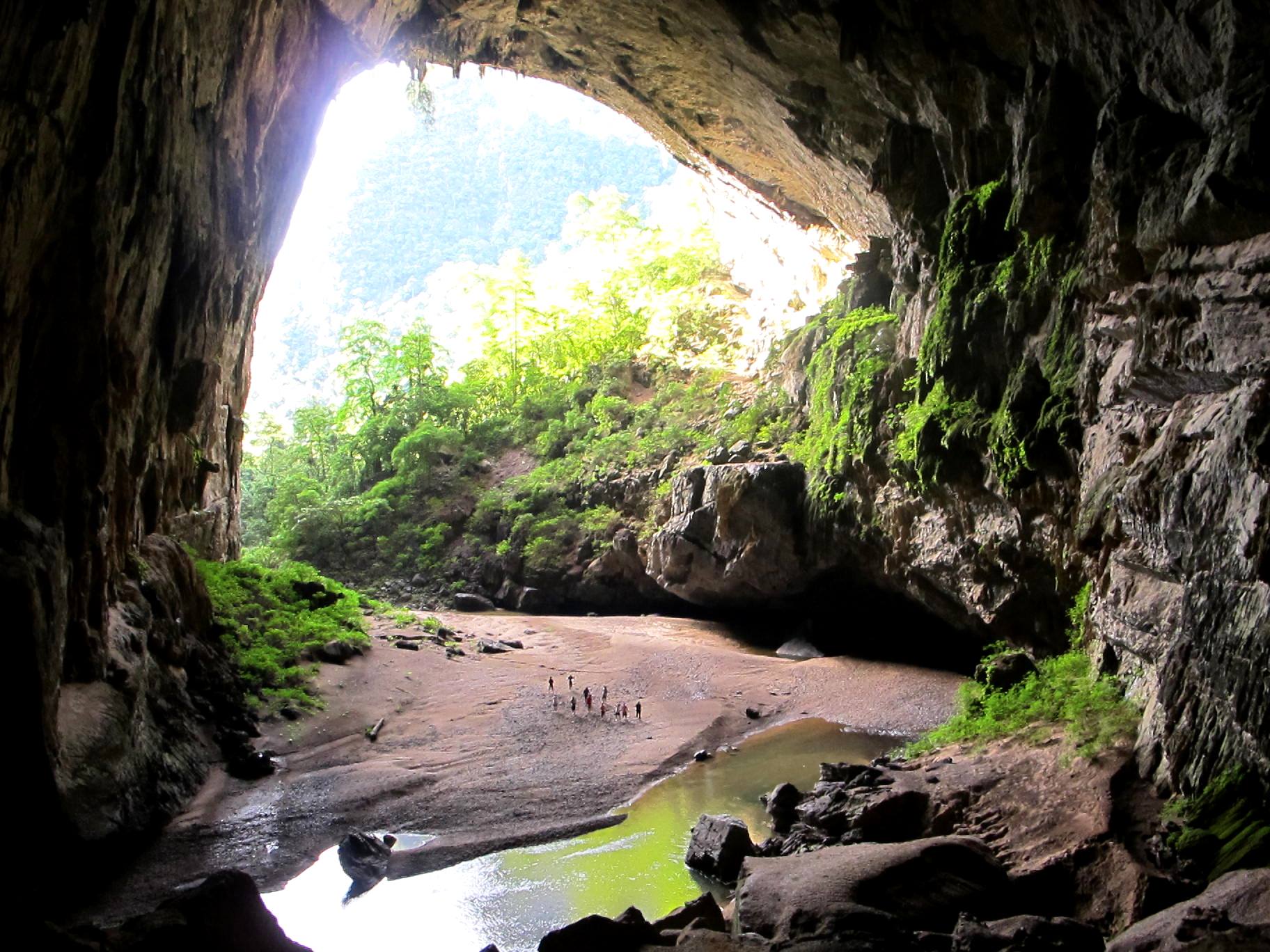
Don’t miss Hang En Cave whose name means “swallow,” close to Hang Son Doong. The cave features three openings. The jungle has taken place within it, along with a river. Accessing it is not really a piece of cake: you will have to trek through the jungle, cross a few rivers and villages, climb some rocks… A good physical condition is obviously required. But the cave is worth the journey: sights are breathtaking. Also, be aware that you may sleep overnight in the cave if you feel like it.
Tien Son Cave is a dry cave. It takes little effort to reach it: 300 stairs to climb before accessing the opening. Nevertheless, the site provides a stunning viewpoint over surrounding rice fields, forests and rivers. The fees are 40.000 VND, i.e. around 2 dollars.
Another interesting cave system is Tu Lan’s, which is located in Tu Lan Valley. It is best-known for its impressive natural architecture comprising Buddha- and fisherman-shaped stalactites and stalagmites. Right in its middle stand three limestone pillars next to which springs a natural underground source. Fossils and human remains have been found within the cave system and have turned the place into an archeological site. In order to explore Tu Lan Cave, visitors will have to trek through remote jungle, climb hills and cross rivers; the path may not be easy but it is worth it.
World's Largest Cave
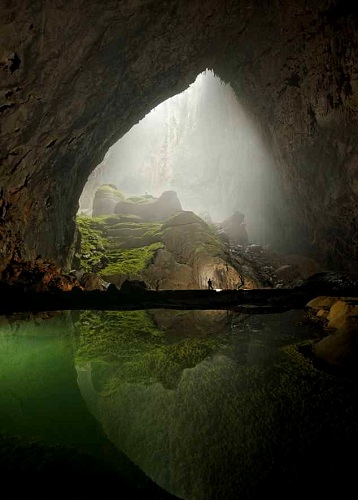
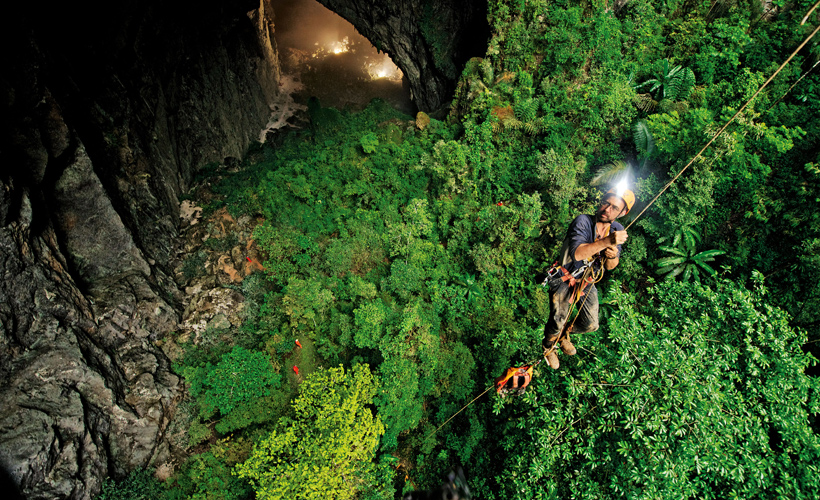
Phong Na – Ke Bang National Park also features the world’s largest cave, known as Hang Son Doong, which means “Mountain River Cave.” It was discovered in 1991 by a farmer but not explored before 2009 by the British Cave Research Association. The cave is so big – 5 times bigger than Phong Nha Cave and twice the size of the former world’s biggest cave, – that it houses a massive tropical forest referred to as “Garden of Edam,” very rare cave pearls formed drip by drip over the centuries, and superimposed lakes. The growth of this fauna has been possible thanks to two openings that let light getting in, and to an underground river. Besides, the cave stands as the perfect habitat for monkeys, bats and other wild species. The access to the cave is very restricted and controlled, and tourists have to pay a hefty fee of 3.000 dollars to tour the place. The whole exploration lasts for a week and requires being in a good physical shape.
Forests and Ethnical Groups
Primary forests stretch to 92% of the surface of the park and harbours rare species, increasing the wildness of the place. Phong Na – Ke Bang National Park is the perfect venue for nature lovers.
The park is not uninhabited though. Indeed, three ethnical groups live there: Chut, Kinh and Bru-Van, each one of them trying to preserve its own cultural identity and living off hunting and fishing. A few villages may also be found. Son Trach lies near the park’s boundary whereas Ban Doong, inhabited by Bru-Van people is to be encountered on the way to Hang En Cave.
Ideal destination for any adventurer, Phong Nha – Ke Bang National Park provides rich experience to anyone who visits it. Its caves and forests are absolutely unique. Still being explored, the “Land of Caves and Caverns” may reveal a lot more surprises in the future. Stay tuned!
Should you want more information, please contact us:

